
- You are here:
-
Home

- Guide
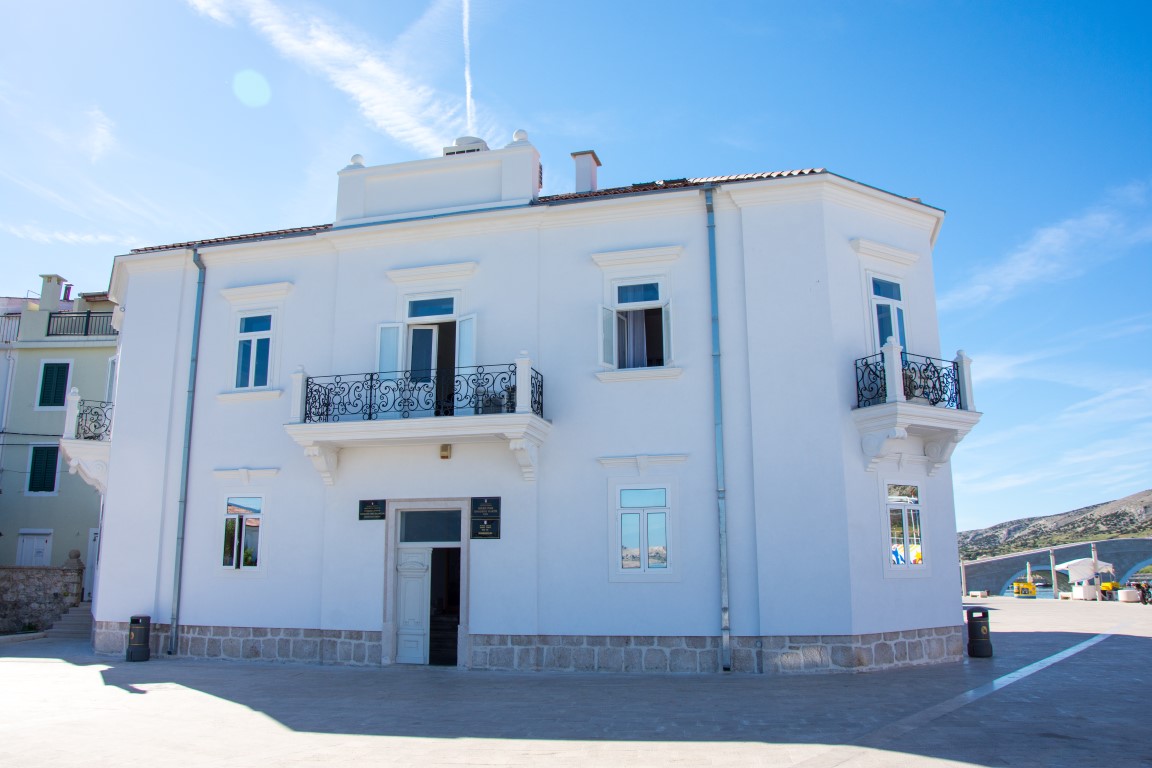
Kamerlengo Tower no longer stands in its original form. The former tower today houses the town government, while during the summer months the Town Hall serves as an exhibition space for various artists.
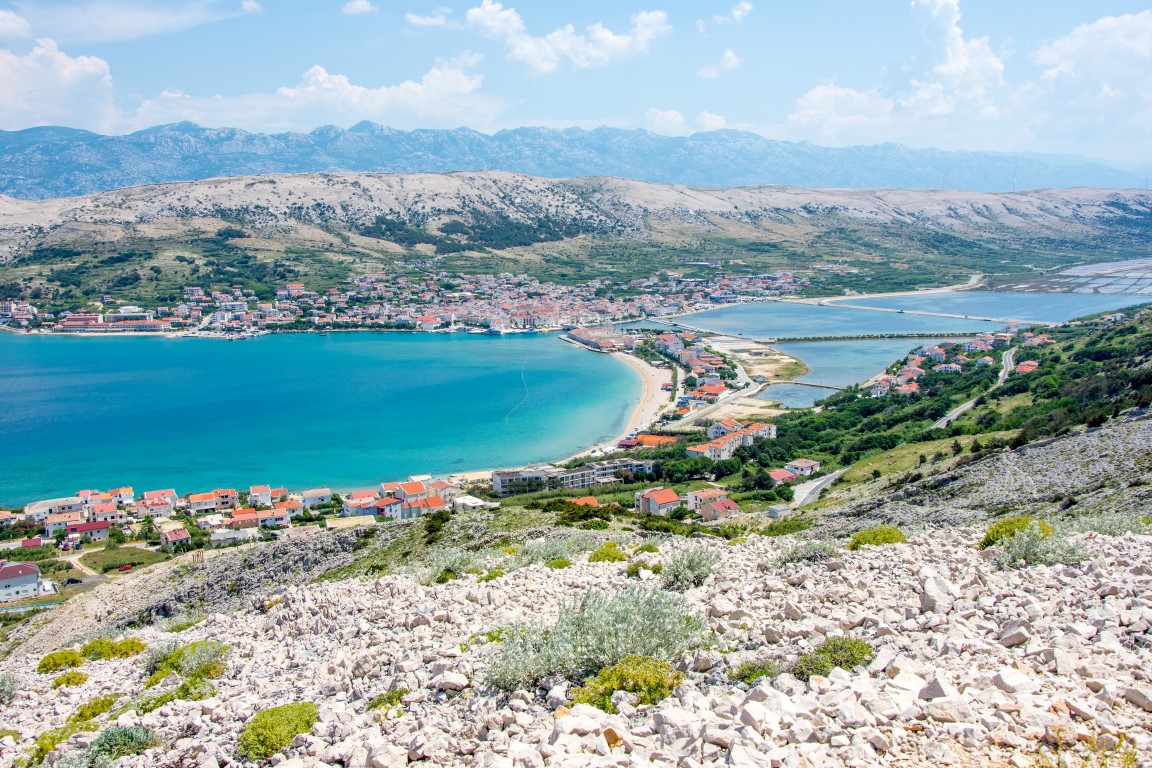
The Gradac vista offers the most spectacular panoramic view of the core of Pag. Gradac is located by the road connecting Pag and Novalja.
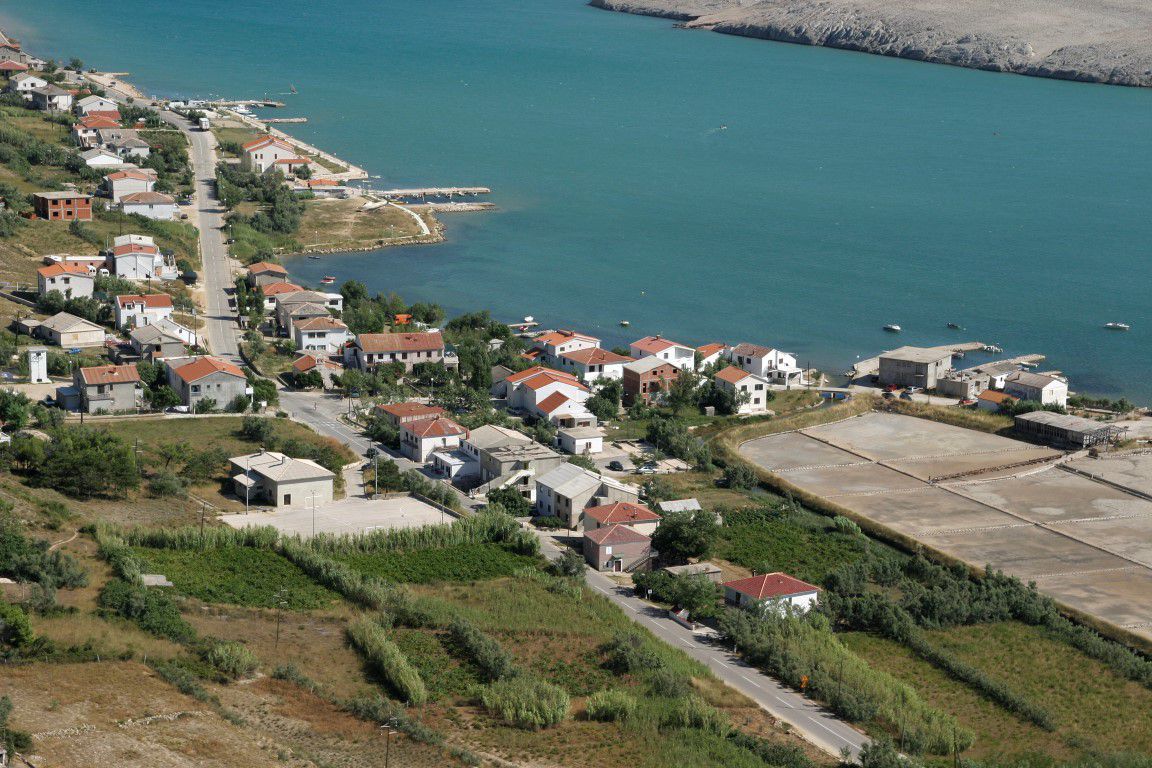
A picturesque village on the southern side of the island of Pag, in a pristine, shallow cove with numerous secluded beaches. A former salt pan, built under French rule, can be seen in the cove.
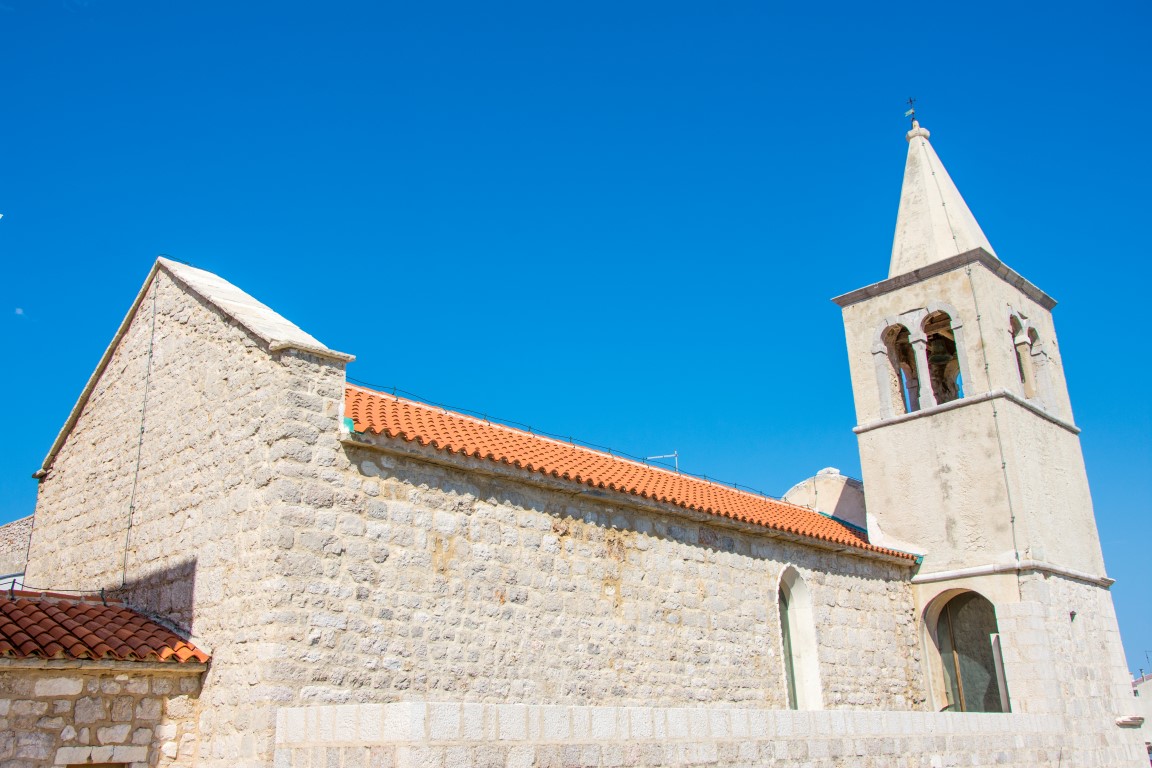
Construction of the Church of St. George, the patron of both the town and the island of Pag, began prior to 1465 and continued until the late 15th century.
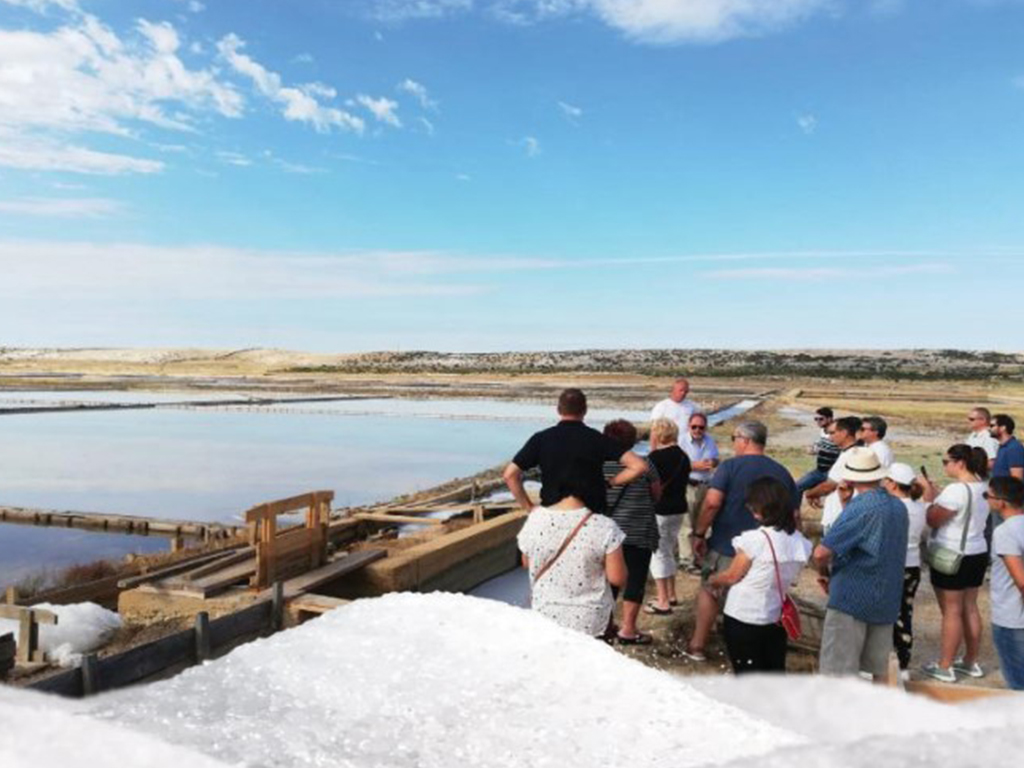
Solana Pag od 01.06. za sve zainteresirane nudi edukativne radionice na otvorenom. Na radionicama možete saznati o povijesti Solane, načinu proizvodnje soli, nekada i danas, te o sastavu, kvaliteti i važnosti soli. Prilikom radionica se nudi uz kompetentno vodstvo razgled bazena, pratećih zapornica i kanala.
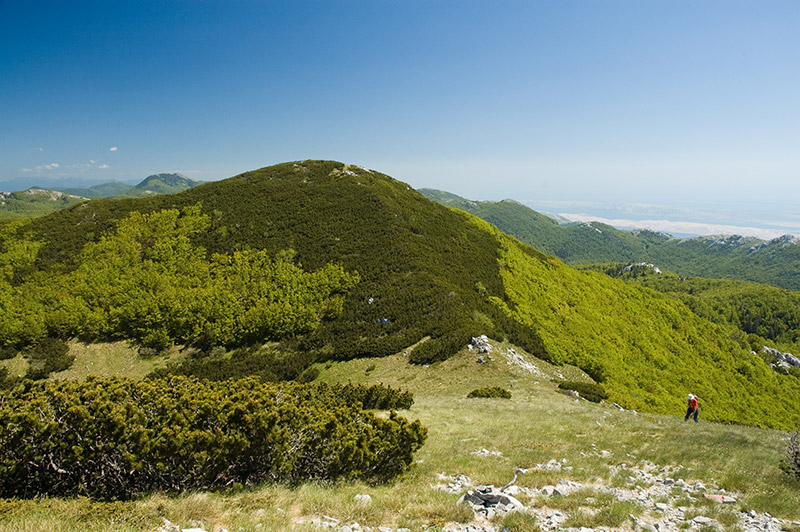
The territory of northern Velebit was proclaimed a national park in 1999 due to the exceptional diversity of its karst phenomena, its rich biology and exceptional natural beauty on relatively small surface of 109 km2.